.png)
Understanding Cat Anxiety: Signs, Causes & Natural Calming Tips

When Hiding, Hissing, or Clinginess Means More Than Mood
If your cat bolts under the bed when visitors arrive, hisses at sudden noises, or follows you from room to room, it might not just be “typical cat behaviour.”These are often signs of anxiety or environmental stress.
Something many cats experience but few owners recognise.
Because cats are masters of subtlety, their emotional distress often goes unnoticed until it shows up as behaviour changes, illness, or toileting problems.

Common Signs of Anxiety in Cats
Cats show fear and tension differently from dogs. Look for changes in:
Body language: Ears held flat, tail tucked, dilated pupils, tense posture
Behaviour: Hiding more than usual, avoiding contact, sudden aggression, over-grooming, or withdrawal
Vocalisation: Yowling, growling, or increased meowing
Elimination habits: Urinating outside the litter box or spraying
Physical health: Loss of appetite, digestive upset, poor coat condition
These are your cat’s way of saying, “Something in my world feels unsafe.”
Why Cats Develop Anxiety
Feline anxiety often develops from loss of control or unpredictability in their environment.
Common triggers include:
Moving house or rearranging furniture
New pets or people in the home
Loss of a bonded companion
Loud noises (storms, fireworks, renovations)
Vet visits, travel, or boarding
Lack of enrichment or safe resting spaces
Even subtle stressors, like changes in scent or owner routine can unsettle sensitive cats.
How to Help an Anxious Cat Feel Secure
1. Create Safe Zones
Give your cat predictable, elevated spaces.
window perches, wardrobes, or cat trees. Hiding spots reduce cortisol and restore confidence.
2. Keep Routines Consistent
Feed, play, and clean the litter box on a schedule. Cats find calm in routine, predictabilty and familiarity.
3. Use Gentle Calming Aids
Feline pheromone diffusers, calming music, or flower essences can help create a sense of peace. In holistic care, herbs such as Withania (Ashwagandha), Zizyphus, or Baical Skullcap are often used under professional guidance to support the nervous system and emotional resilience.
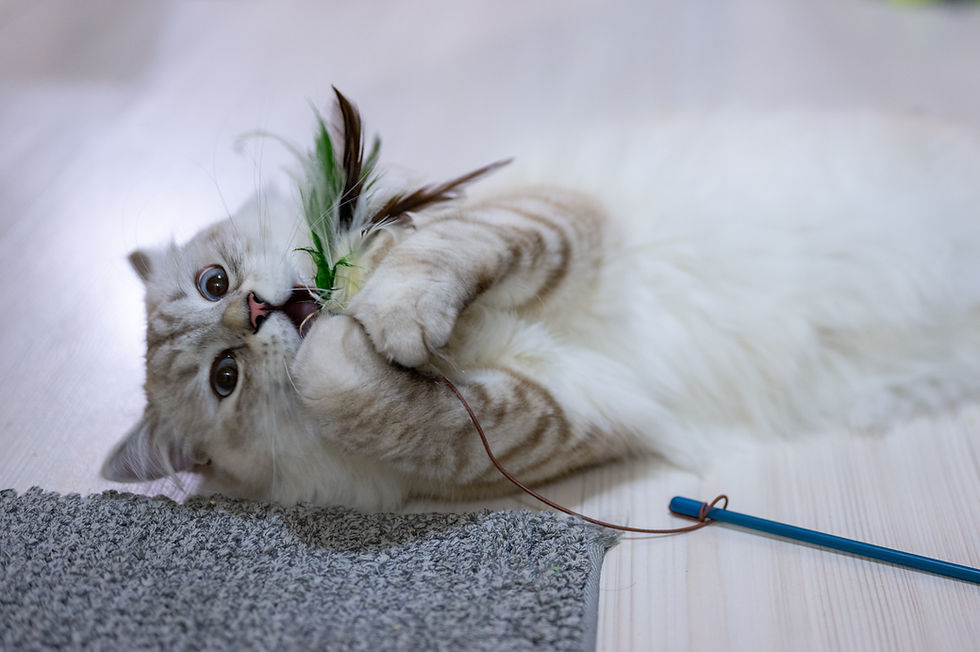
4. Play Therapy
Interactive play with wands, chase toys, or food puzzles helps release tension and rebuilds positive associations.
5. Enrichment & Control
Rotate toys, add scratching posts, provide multiple resting areas, and allow your cat to observe the outdoors safely (via window access or a catio).
When to Seek Professional Help
If your cat’s anxiety leads to self-harm, aggression, toileting issues, or stops them from eating or grooming, don’t wait.
A professional assessment can help determine whether the cause is behavioural, medical, or emotional, and design a plan to restore balance.
A Holistic Approach to Calm
As a naturopath and animal health practitioner, I look at the whole picture. Diet, environment, emotional triggers, and physical wellbeing.
Anxiety isn’t just behavioural; it’s often linked with inflammation, gut health, and nutrient imbalance.
If your cat is showing signs of stress or anxiety, I can help you create an individualised calming plan using natural, evidence-based support. Book a feline consultation here
Give your cat a pat for me
Kerrie x


Comments